
Quartz & Aggregate Pool Finishes in Palm Bay, FL
Palm Bay Pool Resurfacing installs quartz-blended and exposed-aggregate pool finishes for homeowners in Palm Bay and southern Brevard County who are resurfacing and want something that lasts longer than standard plaster. These finishes cost more up front, but in a climate this hard on pool surfaces, many homeowners find the trade-off worth it. Finish type and color are chosen at the pool with physical samples, because the same finish reads very differently under Palm Bay's light than it does on a screen.
What these finishes are
A quartz finish blends natural quartz aggregate into the plaster, producing a denser, more durable surface than plain marcite in a range of colors. An exposed-aggregate finish — pebble or polished stone — goes a step further, with a textured or smooth stone surface that resists staining and etching well. Both sit on top of the same structural resurfacing work as plaster; the difference is the finish layer itself.
Why homeowners upgrade here
The things that wear finishes out in Palm Bay — salt systems, strong year-round sun, iron-heavy irrigation water, and chemistry swings — are exactly what quartz and aggregate resist better than plaster. A denser surface stains less readily and holds up longer, which can mean more years between resurfaces. That doesn't make plaster wrong; it makes the upgrade a longevity-versus-cost decision.
Choosing the finish and color
This is genuinely worth doing in person. Darker finishes make a pool look deeper and warmer but show a different set of wear patterns; lighter finishes read cooler and hide some things while showing others. Samples are looked at against your pool's surroundings and light during the on-site review so the color you pick is the color you get.
What affects the cost
As with any resurface, surface area and the prep the shell needs drive most of the number, and the finish choice sits on top of that — aggregate generally costs more than quartz, and quartz more than plain plaster. Because finish, condition, and access all factor in, the scope is confirmed at the pool. More on cost factors.
Request a Pool-Surface Callback
Describe the surface in plain language. You don't need to diagnose the issue before reaching out.
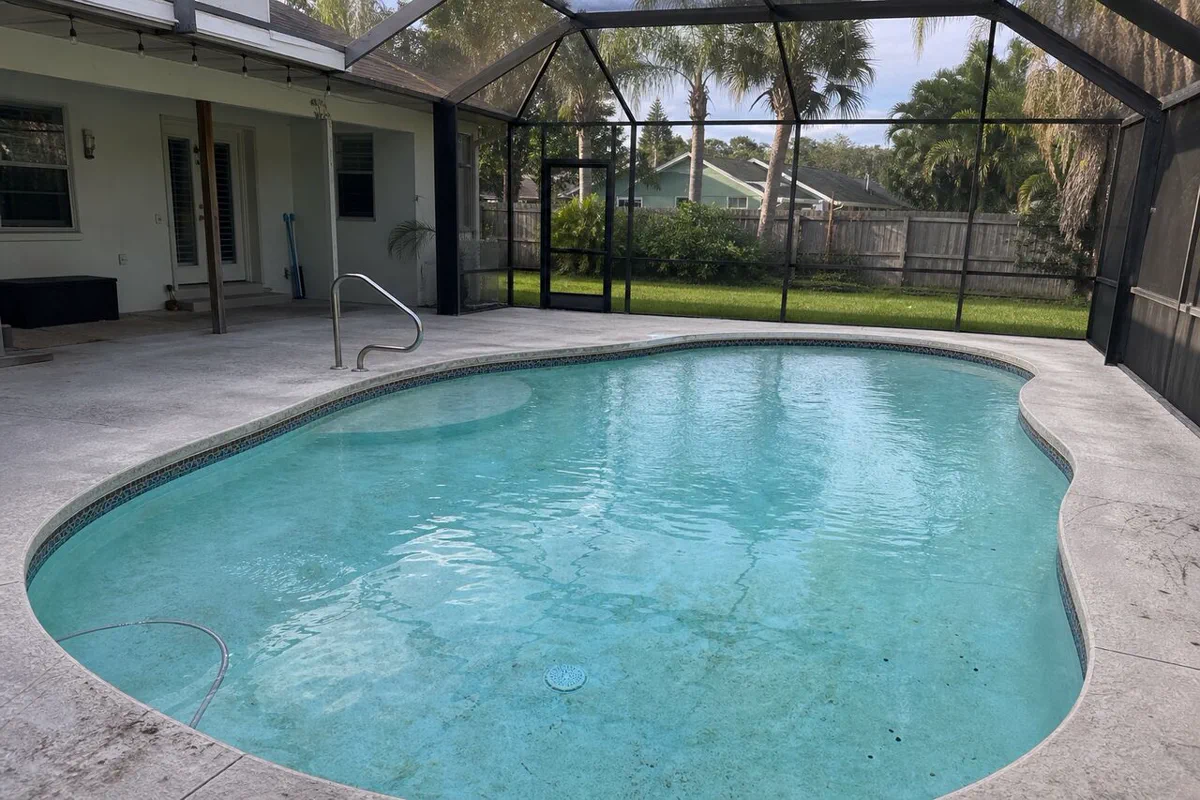
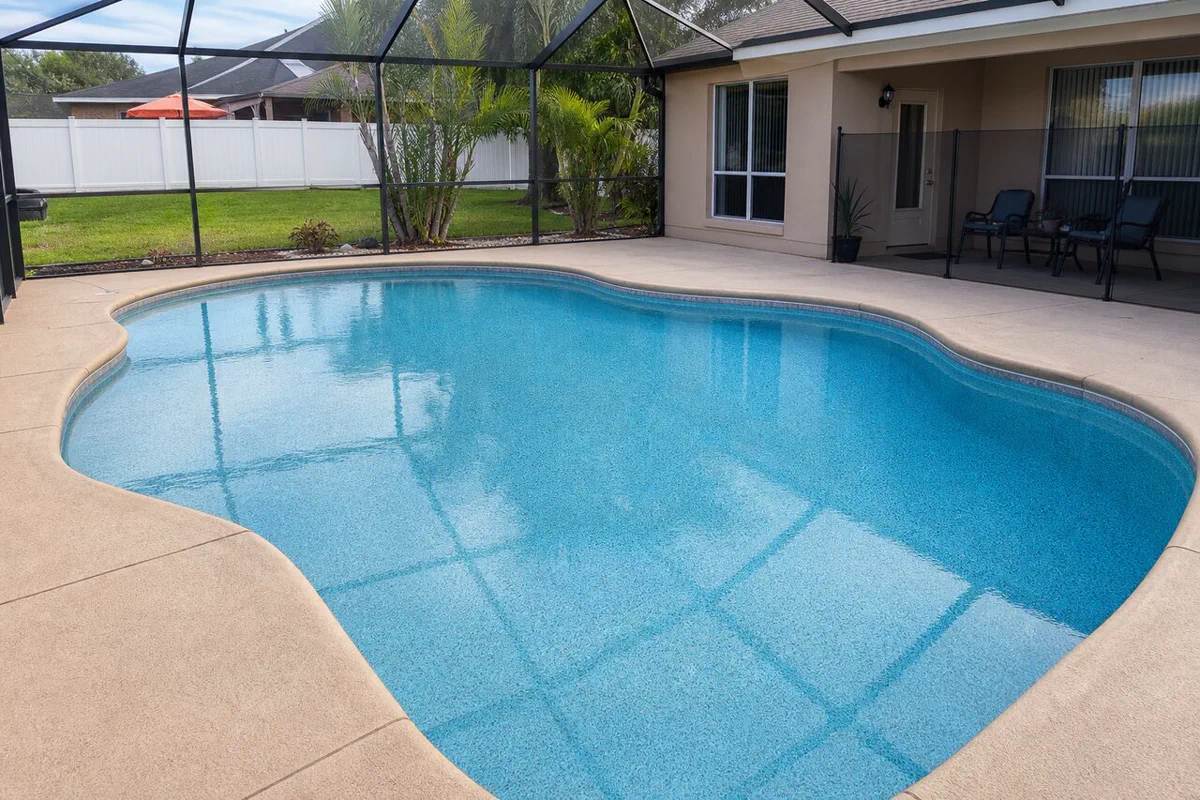
What Each Finish Type Looks Like
The three finishes homeowners choose between when resurfacing, from most affordable to most durable. Colors and textures read differently once they're under water and in your pool's light — these show the general look, and physical samples are compared on site.
Questions Homeowners Ask
Is a quartz finish really worth the extra cost?
It depends on how long you plan to keep the home and how the pool is used. Quartz and aggregate finishes generally last longer and resist staining better than plaster, so the higher up-front cost can spread over more years. It's a trade-off worth talking through at the pool.
Can I switch from plaster to aggregate when I resurface?
Yes — resurfacing is the natural moment to change finishes. The structural work is the same; you're choosing a different finish layer on top. Bring it up on the call or form so samples are on hand for the visit.
Do darker finishes cause problems?
Not problems, but trade-offs. Darker finishes look striking and can make water feel warmer, but they show wear and chemistry issues differently than light finishes. Seeing samples in your pool's actual light is the best way to decide.
Tell us what the surface is doing.
A plain-language description is enough to start. The scope is confirmed at the pool, once the surface, size, and access are seen in person.